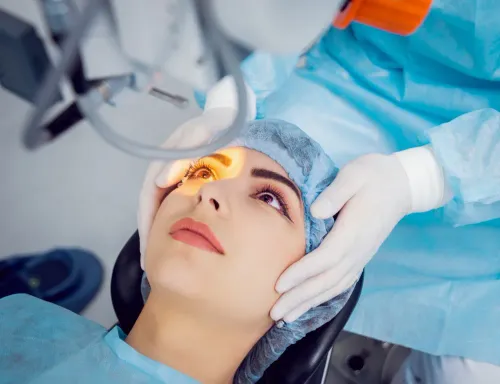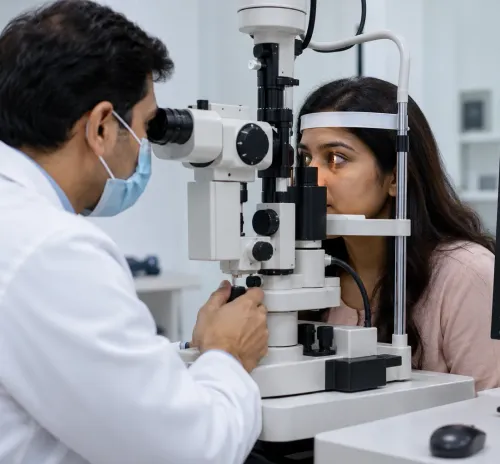
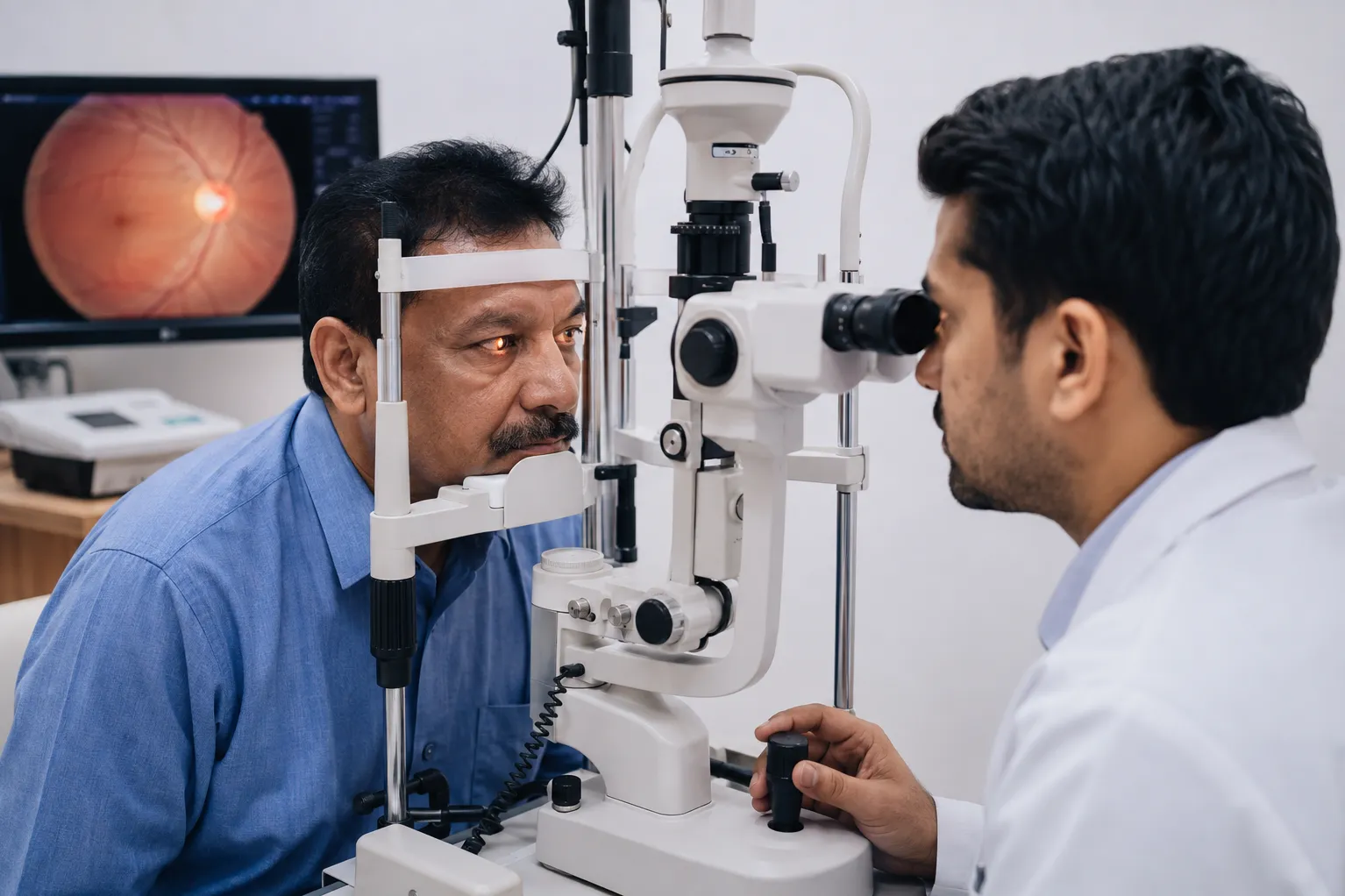
Glaucoma deserves attention because significant damage can sometimes develop before a person notices obvious changes in everyday vision. The condition affects the optic nerve, which carries visual information from the eye to the brain.
For adults in Prabhadevi, Mumbai, understanding glaucoma screening is particularly important when there is a family history or other recognised risk factors.
Does High Eye Pressure Always Mean Glaucoma?
No. Eye pressure is an important part of glaucoma evaluation, but it is not the complete picture.
Some people can have elevated intraocular pressure without detectable glaucomatous optic nerve damage, while glaucoma can also occur in people whose measured pressure falls within ranges commonly considered normal.
This is why glaucoma assessment may involve several components rather than one pressure reading.
What Does a Glaucoma Evaluation Look At?
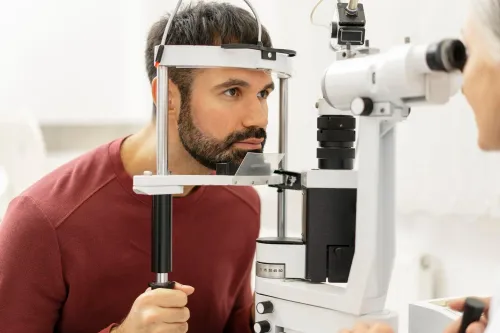
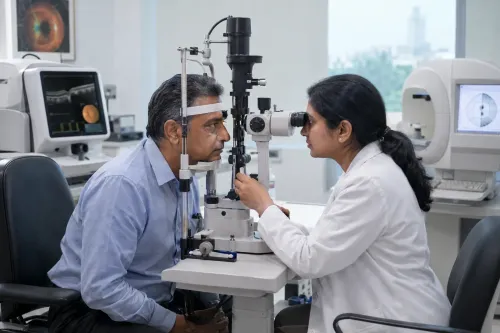
Depending on the patient's situation, an ophthalmologist may evaluate:
- Intraocular pressure
- Optic nerve appearance
- Peripheral visual field
- Corneal characteristics
- Drainage angle of the eye
- Retinal nerve fibre layer
- Changes compared with previous examinations
Tests such as visual field assessment and optical coherence tomography may provide additional information when clinically indicated.
Why Can Glaucoma Go Unnoticed?
Many forms of glaucoma affect peripheral vision gradually. Because central vision can remain useful during earlier stages, patients may not immediately realise that changes are occurring.
This makes routine examinations valuable for people with increased risk.
Risk can be influenced by factors such as age, family history, certain eye characteristics, previous eye injuries, and particular medical or medication histories. An ophthalmologist can interpret these factors in the context of an individual's examination.
Monitoring Matters as Much as Initial Detection
A single examination provides information about the eyes at one point in time. Glaucoma assessment often relies on observing whether eye pressure, optic nerve appearance, imaging, or visual fields change over time.
For that reason, patients who have been advised to return for monitoring should follow the recommended review schedule even when their eyesight seems unchanged.
People in Prabhadevi and other parts of Mumbai, Maharashtra, can undergo comprehensive eye evaluation at Clarity Eye Clinic when glaucoma screening or monitoring is indicated.
The key point is straightforward: glaucoma cannot be reliably ruled in or ruled out simply by asking whether vision feels normal or by checking eye pressure once. A broader assessment of the optic nerve and related visual function gives the ophthalmologist a more complete basis for deciding whether observation, further testing, or treatment is appropriate.
Keywords