Cataracts are a common cause of gradually declining vision, particularly among older adults. A cataract develops when the natural lens inside the eye becomes cloudy. Instead of light passing clearly through the lens, the cloudiness can make everyday vision appear blurred, hazy, faded, or less detailed.
For people living or working in Lower Parel, Mumbai, early recognition of these changes can make it easier to seek an eye assessment before vision begins interfering significantly with daily activities.
Common Signs of Cataracts
Cataracts usually progress slowly. Some people initially assume their changing vision is simply due to an outdated spectacle prescription.
Typical symptoms can include:
- Blurred or cloudy vision
- Increased glare from headlights or bright lights
- Difficulty seeing clearly at night
- Colours appearing less vivid
- Frequent changes in spectacle power
- Halos around lights
- Difficulty reading fine print
- Needing brighter lighting for close work
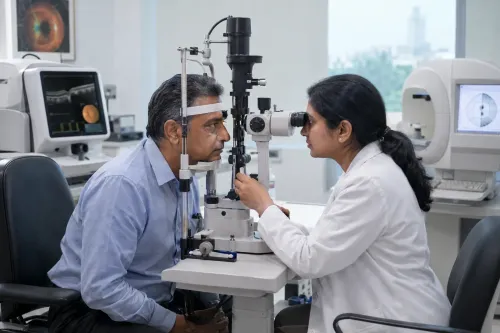
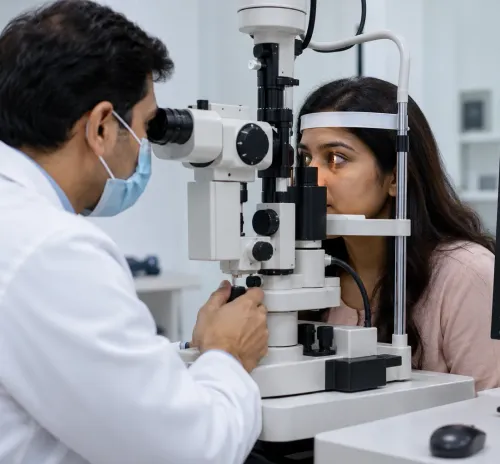
Having one or more of these symptoms does not automatically confirm a cataract. A comprehensive eye examination helps determine whether cataracts or another eye condition is responsible.
When Is Cataract Surgery Considered?
Cataract surgery is generally considered when lens clouding begins affecting activities that matter to the individual. There is no single level of visual difficulty that applies to every patient.
For example, someone who drives frequently may be particularly troubled by glare at night. Another person may notice difficulty reading, watching television, recognising faces, or completing detailed professional work.
An ophthalmologist can assess the cataract along with the overall condition of the eye before discussing whether surgery is appropriate.
What Happens During Cataract Surgery?
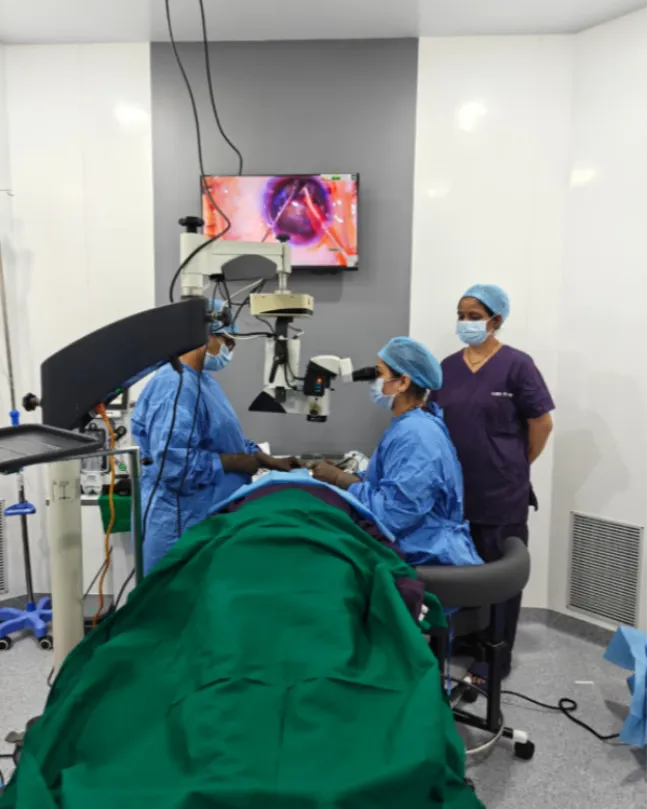
During cataract surgery, the cloudy natural lens is removed and replaced with an artificial intraocular lens. The choice of lens depends on several factors, including eye measurements, visual requirements, lifestyle, existing eye conditions, and clinical suitability.
Before surgery, patients typically undergo detailed eye measurements and evaluation. Conditions affecting the cornea, retina, optic nerve, or eye pressure may also need consideration because they can influence expected vision after surgery.
Why a Complete Eye Assessment Matters
Vision loss should not automatically be attributed to cataracts simply because a person is older. Glaucoma, retinal disorders, corneal conditions, and other problems can also affect eyesight.
An eye examination at Clarity Eye Clinic can help patients in Lower Parel understand the reason for their visual changes and whether cataract surgery should be considered.
Mumbai residents experiencing progressive cloudiness, glare, or reduced night vision can benefit from having these symptoms evaluated rather than waiting until vision becomes severely restricted. The purpose of cataract assessment is not simply to identify a cloudy lens, but to understand how the condition is affecting the person's vision and determine the most appropriate next step.
Keywords